Mobile Gas Generation Makes Vendor Backup Plans More Important
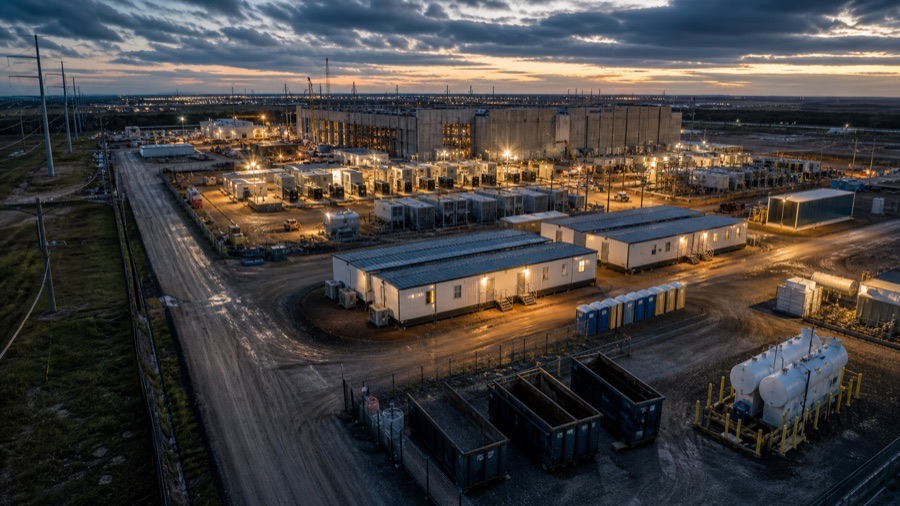
The short version. Mobile gas generation is becoming part of the AI-infrastructure conversation because large-load projects cannot always wait on the perfect grid answer. For site teams, that creates a practical vendor-readiness question before equipment ever arrives. Koda supports vendor relationship follow-up for recurring site-service requests. The project manager still owns the project plan, field direction, safety, schedule, and onsite execution.
Source angle: Elon Musk quietly acquires mobile gas generation firm APR Energy - report from Data Center Dynamics.
Why does this source matter for site services?
A mobile generation story is not only about turbines or megawatts. It points to short-notice site work around access, fueling, pads, perimeter control, service roads, waste, sanitation, and safe handoff between the customer, PM, utility-side teams, and vendors. A headline about power, policy, construction activity, or infrastructure demand may not read like a fuel or sanitation issue at first glance. But when capital starts moving, nearby jobsites often compete for the same vendor bench.
The useful move is to translate the headline into service categories before the site is already urgent.
- Fuel planning should be treated as a recurring route and access problem, not only a commodity order.
- Temporary generation areas need clear fencing, gate control, service windows, and backup access routes.
- Sanitation, waste, and temporary offices should be planned around the support crews that arrive before permanent operations stabilize.
Why does mobile generation change the support map?
Temporary or mobile power can create a site inside the site. The generation equipment may sit away from the main work, need its own haul route, have its own security concerns, and require separate fuel and maintenance access. That is a different service pattern than a simple office trailer or dumpster order.
The PM and customer team still own scope, safety, access, sequencing, and field direction. Koda should not be described as running that work. Koda's role stays narrow: support vendor sourcing and relationship follow-up when the customer identifies recurring site-service needs.
What should be planned before power support arrives?
The first planning question is not, "Which vendor can deliver today?" It is, "What will that vendor need to deliver safely and repeatedly?" A fuel truck, fence repair crew, sanitation provider, or roll-off hauler may need different entry times and routes than heavy construction traffic.
- Generation-zone map: equipment pad, fuel route, fenced perimeter, vendor parking, and no-go areas.
- Service rhythm: recurring fuel windows, waste pickup cadence, restroom servicing, and trailer support.
- Backup plan: alternate fuel supplier, alternate gate, weather route, and escalation contact on the PM/customer side.
Where can delays hide?
Mobile generation compresses decisions. A team may solve the power constraint and then discover the support constraint: no clean fuel route, unclear gate access, no fenced staging area, or no backup vendor when the first provider is booked. Those problems do not make the headline, but they can slow the site.
That is why vendor relationships should be started before everything becomes urgent. Koda can help keep those conversations organized while the PM stays in charge of the actual work.
Where does Koda fit without replacing the PM?
Koda fits between the customer and the vendor market. The customer submits a service need. Koda helps route the request, identify vendor options, support the relationship, and stay available for vendor follow-up. Koda is not the project manager and does not direct field work.
That distinction matters. The PM decides scope, timing, site access, safety requirements, sequencing, and whether a vendor is acceptable. Koda supports the vendor relationship so the PM does not have to start every request from a blank search.
What changes when the vendor relationship is managed?
An organized vendor relationship gives the project team one place to start for recurring site-service requests instead of a separate sourcing hunt for every category. Koda can help connect the request to vendors for fuel, sanitation, waste, fencing, workforce housing, and jobsite offices.
This is not a guarantee that every vendor outcome is controlled by Koda. It is a cleaner relationship layer: fewer cold starts, fewer scattered contacts, and a clearer path when a customer needs vendor options or follow-up.
Which requests should be started early?
Fencing, sanitation, waste, fuel, and workforce housing or jobsite offices should be scoped before the site feels urgent. Fencing affects access. Sanitation affects crews. Waste affects site condition. Fuel affects equipment. Offices and housing affect field-team logistics.
The exact order belongs to the PM and customer team. A remote energy site may need housing earlier. A dense commercial site may need waste and fencing first. A generator-heavy site may need fuel planning from day one. Koda's role is to help with the vendor relationship once the need is clear.
How is Koda paid?
Koda is paid two ways, and both are disclosed. The customer pays a defined project fee, scoped to the size and duration of the build and set in the proposal before anything is committed. Every awarded vendor pays Koda a fee that appears as its own line item on their monthly invoice, the same fee for every vendor bidding that category.
That matters because the fee does not scale with the award, so it cannot move a recommendation or a price. Koda is the procurement team for recurring site-service vendors, not a replacement for the customer's project controls, field supervision, safety program, or onsite management.
Frequently asked questions
What services can Koda help source?
Koda can help customers source vendor options for fuel, sanitation, waste, fencing, and workforce housing or jobsite offices.
How is Koda paid?
Two ways, and both are disclosed. The customer pays a defined project fee set in the proposal. Every awarded vendor pays Koda a fee that appears as its own line item on their monthly invoice.
When should a project team request site services?
A project team should request vendor options before mobilization, especially when nearby infrastructure or commercial activity suggests vendor demand may tighten.
Is Koda only for data centers?
No. Koda supports vendor sourcing for Texas data center, solar, energy, oil and gas, and large commercial jobsites that need recurring services.